Save real dollars & time with AI - Register for the launch here
What does it take to scale a skilled nursing organization without losing the personal, human side of care?
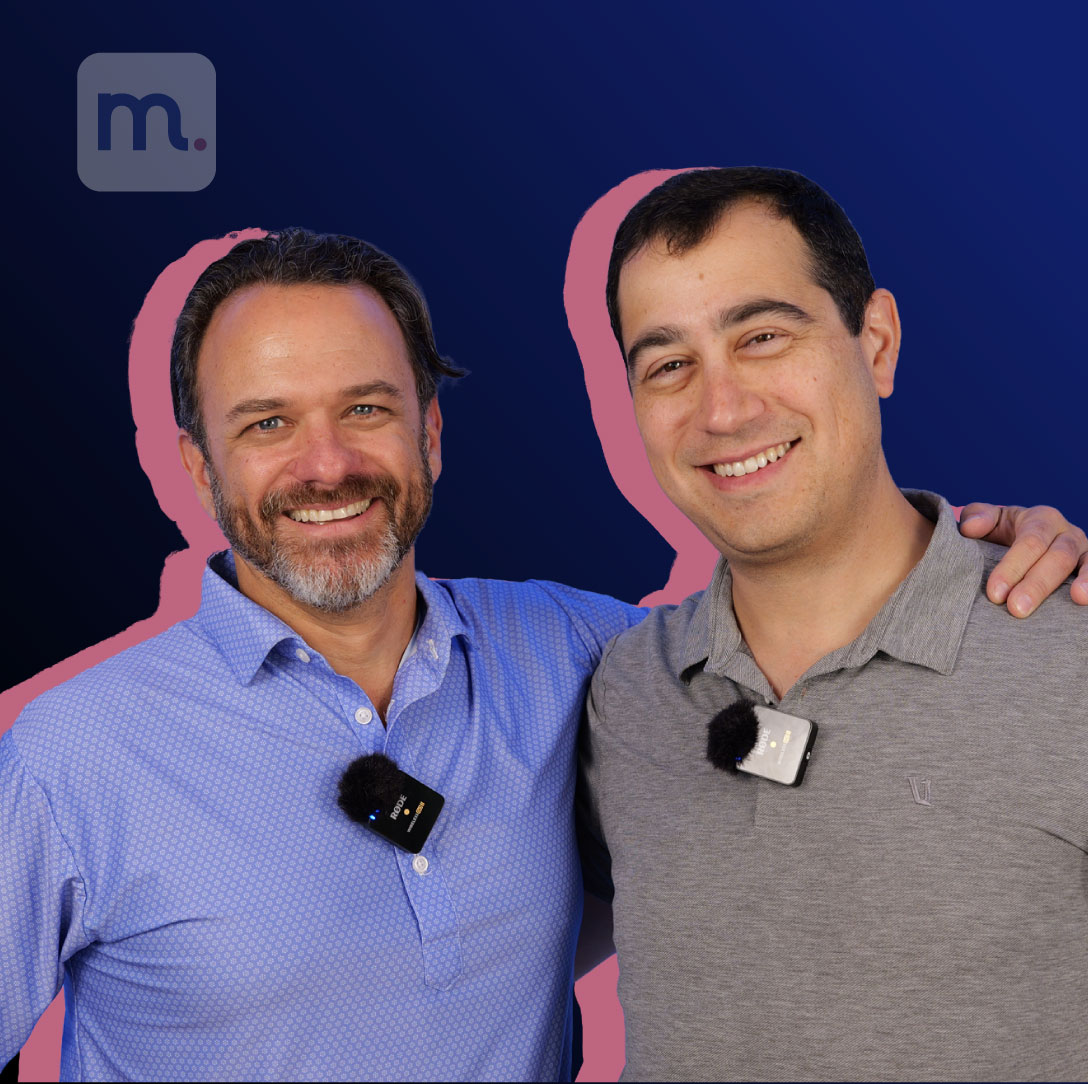
In this episode of Care, Code, and Capital, Dan sits down with Ben Cohen, founder and CEO of August Healthcare, to explore how people, technology, and strategic capital have helped the company grow from three skilled nursing facilities to a portfolio approaching ten.
Ben’s path into long-term care began well before August Healthcare. After identifying an unmet need for respiratory services in skilled nursing facilities, he built and bootstrapped a durable medical equipment company serving healthcare organizations across multiple states. That experience gave him an inside look at the operational differences between struggling facilities and high-performing ones. It also taught him a foundational lesson that continues to shape August Healthcare today: successful turnarounds begin with the right people.
After exiting the respiratory business, Ben entered skilled nursing operations during one of the industry’s most difficult periods. The effects of COVID-19 had placed extraordinary pressure on nursing homes, their employees, and the residents who depended on them. August Healthcare began acquiring and operating facilities that needed more than financial investment. They needed stronger leadership, a renewed culture, and a clear vision for delivering distinguished care.
Throughout the conversation, Ben explains why rebuilding a distressed skilled nursing facility cannot be reduced to a spreadsheet. Capital may make an acquisition possible, but people create the outcome. Administrators, directors of nursing, caregivers, and support teams ultimately determine whether an organization can improve resident care and build a sustainable operation.
The discussion also examines how August Healthcare approaches growth. Moving from three facilities to nearly ten requires more than repeating the same processes at a larger scale. It requires an operating system that can create consistency while allowing each facility to serve the needs of its residents and local community.
For Ben, organizational culture is a critical part of that system. He discusses how August Healthcare defines “distinguished care,” identifies strong local leaders, and works to create an environment where employees feel supported. The goal is not simply to increase the size of the portfolio. It is to grow without turning a hands-on care organization into a distant institution.
Technology is becoming increasingly important to that effort.
Ben shares how August Healthcare is using artificial intelligence to accelerate the initial underwriting of potential skilled nursing acquisitions. Work that once required approximately ten hours can now be reduced to one or two, allowing the team to evaluate opportunities more efficiently and focus its attention on the deals that deserve deeper analysis.
However, the conversation also draws an important distinction between using AI to support decisions and allowing technology to make those decisions independently. AI can organize information, identify patterns, and make healthcare deal underwriting more efficient. It cannot replace experienced operators, clinical judgment, or the relationships at the center of resident care.
That distinction becomes even more important as the long-term care industry confronts a widening workforce challenge. The United States is caring for a rapidly aging population while facing persistent shortages of nurses and caregivers. Skilled nursing providers will need technology to reduce administrative work, improve efficiency, and help employees focus their time where it matters most.
But Ben does not believe the future of nursing homes will be defined by robot nurses. Care is fundamentally human. A machine may help identify a risk or automate a repetitive task, but it cannot replicate the trust, empathy, and connection between a caregiver and a resident.
The challenge for long-term care leaders is therefore not simply adopting more technology. It is deciding where technology can meaningfully support people without creating greater distance between staff and residents.
Capital investment is the third part of that equation.
Ben discusses why investment in skilled nursing must extend beyond acquiring facilities. The physical environment influences how residents experience care, how families perceive a facility, and how employees feel when they come to work. August Healthcare has seen that significant investments in its buildings can create a better experience for residents while also strengthening staff satisfaction and recruitment.
This raises a larger question for the future of nursing home investment: What should the next generation of skilled nursing facilities look and feel like?
Rather than institutional environments defined primarily by clinical necessity, Ben envisions facilities that feel more residential, welcoming, and dignified. Reimagining the physical environment of long-term care will require capital, but it could also create meaningful returns through improved resident experiences, stronger teams, and more sustainable operations.
This episode offers an operator’s perspective on the forces reshaping skilled nursing and long-term care. It explores how AI is changing healthcare investing, why culture remains essential during rapid growth, and how capital investments in people, technology, and physical spaces can ultimately improve care.
Topics covered in this episode include:
• Ben Cohen’s entrepreneurial journey from respiratory services to skilled nursing operations
• Launching August Healthcare in the aftermath of COVID-19
• Turning around distressed nursing facilities through leadership and culture
• Growing a skilled nursing portfolio from three facilities to nearly ten
• Using AI to accelerate healthcare deal underwriting
• Balancing artificial intelligence with human judgment
• Building a consistent care culture across multiple facilities
• Addressing the long-term care workforce shortage
• Determining where technology can support caregivers
• Investing in better environments for residents and employees
• Reimagining the nursing home of the future
• The relationship between care, technology, and healthcare capital
Care, Code, and Capital explores the three forces redefining healthcare: care, technology, and capital. One conversation at a time.